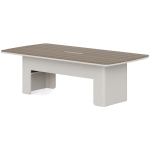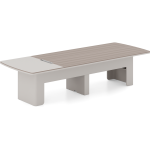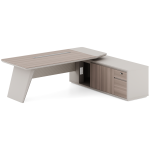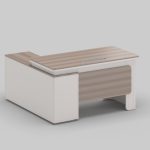


Furnishing an office is more than just buying desks and chairs—it’s about creating a workspace that enhances productivity, encourages collaboration, and reflects professionalism. Furniture placement plays a vital role in achieving these goals. Whether you’re setting up a corporate office, a home workspace, or a co-working hub, thoughtful arrangement of furniture can transform any space into an efficient and comfortable environment.
This guide walks you through the principles, tips, and considerations for optimal furniture placement in your office.
1. Understand Your Space
Before moving any furniture, you must assess the physical space:
- Measure the room dimensions: Include doorways, windows, built-in structures, and power outlets.
- Note the shape of the room: Is it rectangular, square, L-shaped, or oddly shaped?
- Check lighting and airflow: Natural light, ceiling lights, and ventilation will influence where desks and screens should go.
Understanding your space helps prevent overcrowding and ensures furniture is arranged for both function and comfort.
2. Define the Office Layout
There are several common office layouts, each suited for different work styles:
a. Open Plan
This layout removes barriers like cubicles or walls, promoting collaboration and flexibility. Desks are usually grouped or aligned in rows.
b. Private Office
Used for executives or managers, private offices need space for a desk, filing cabinets, meeting tables, and guest seating.
c. Modular Layout
Uses movable partitions and modular furniture to create adaptable spaces, ideal for dynamic teams or evolving needs.
d. Cubicle Layout
Still common in large firms, cubicles provide privacy and personal space for employees while maintaining uniformity.
Choose a layout based on your team’s size, privacy needs, and the nature of your business.
3. Start With the Desk
The desk is the centerpiece of any office setup. Its placement should prioritize functionality and comfort:
- Face the entrance if possible. This creates a sense of control and awareness.
- Avoid placing the desk directly in front of a window. While natural light is great, glare can make screens hard to see.
- Leave space behind the desk for movement, especially if filing cabinets or bookshelves are placed nearby.
For open-plan offices, align desks to ensure clear walkways and maintain personal space. If possible, create desk groupings to encourage collaboration between team members working on similar projects.
4. Consider Ergonomics
No matter how well the furniture is arranged, poor ergonomics leads to fatigue and injury. Placement should support posture and movement:
- Desks and chairs should be adjusted to the user’s height.
- Monitors should be at eye level and at arm’s length.
- Keyboards and mouse devices should allow the forearms to rest comfortably.
Provide enough space under desks for legroom and ensure walkways are not blocked by furniture edges or tangled wires.
5. Plan for Storage and Filing
Storage solutions are essential in any office—poorly placed storage units create clutter and hinder access. Consider:
- Placing filing cabinets or shelves within arm’s reach of the main desk for items used frequently.
- Labeling and organizing materials to prevent time wasted looking for items.
- Using vertical storage such as wall-mounted shelves to save floor space.
- If shared by multiple people, place storage centrally and accessibly.
Avoid overcrowding corners with too many cabinets, as this can make the space feel cramped.
6. Designate Meeting Areas
Even in small offices, it’s useful to create space for discussions. Depending on available space:
- Add a round table with 2-4 chairs for informal meetings.
- For open plans, a glass-partitioned area can serve as a semi-private conference zone.
- Use modular or movable furniture to quickly convert part of the workspace into a meeting area when needed.
Ensure that such zones are separate from individual workstations to reduce distractions.
7. Reception and Waiting Areas
If your office hosts clients or visitors:
- Place the reception desk where it’s visible from the main entrance.
- Provide comfortable seating and a coffee table for guests waiting.
- Add branding elements like a logo on the wall, or company literature on the table.
Reception areas should reflect the identity of the business—organized, welcoming, and professional.
8. Plan for Electrical and Connectivity Needs
Office furniture must be placed with power outlets and network access in mind:
- Desks requiring computers, printers, or phones should be near sockets to minimize the use of extension cords.
- Use cable trays or organizers to avoid messy wiring on the floor.
- Shared equipment like copiers or routers should be centrally located for easy access by all.
Consider future tech upgrades—leave room behind furniture for adding more cables, routers, or power strips.
9. Create Breakout Spaces
Modern offices are recognizing the value of breakout areas—small, relaxed spaces where staff can unwind or brainstorm.
- Use comfortable chairs, beanbags, or lounge seats.
- Add small tables for casual discussion or coffee.
- Separate these spaces with bookshelves, indoor plants, or folding partitions.
Breakout zones reduce stress and enhance creativity, especially in creative industries.
10. Add Personal and Cultural Touches
While functionality is key, aesthetic appeal boosts morale and reflects culture:
- Use wall art, motivational quotes, or local artwork.
- Integrate indoor plants for freshness and air quality.
- Maintain cleanliness and symmetry for a professional look.
Keep décor minimal and relevant to avoid distractions while still making the space feel alive.
11. Ensure Easy Movement and Safety
Proper placement should allow people to move freely without bumping into furniture:
- Maintain at least 36 inches of clearance in walkways.
- Leave 24–30 inches between chairs and walls.
- Ensure fire exits and emergency equipment are not obstructed.
- Choose rounded furniture edges in tight spaces to reduce injury risks.
Regularly check pathways and rearrange items if traffic patterns shift over time.
12. Accommodate Growth and Flexibility
As your team expands, you’ll need to rethink your furniture arrangement:
- Choose modular desks that can be joined or separated easily.
- Leave some space unoccupied to allow new hires to settle in.
- Use mobile furniture on casters to make rearrangement easier.
An office layout that adapts ensures longevity and reduces future renovation costs.
Final Thoughts
Furniture placement in an office affects more than just the look of the space—it directly impacts efficiency, comfort, and employee satisfaction. By understanding your layout, thinking through workflows, and considering ergonomics, you can create a smart, attractive workspace that supports business success.
Whether you run a small startup or a large enterprise, taking time to plan your office layout pays off in improved morale, productivity, and brand image.